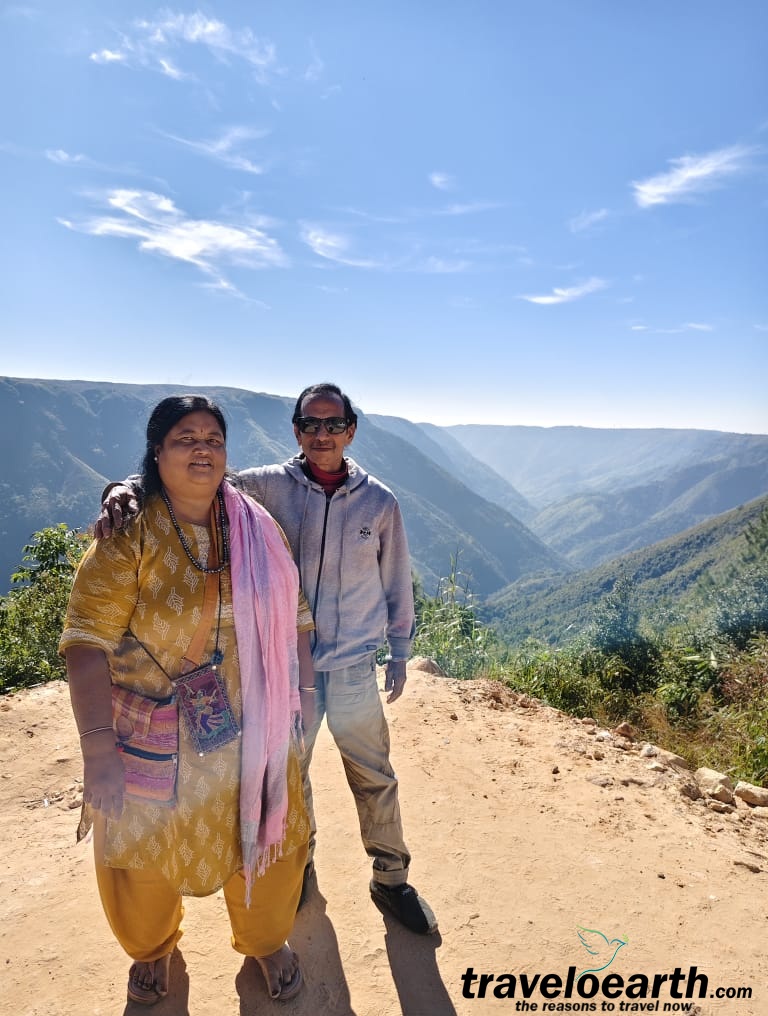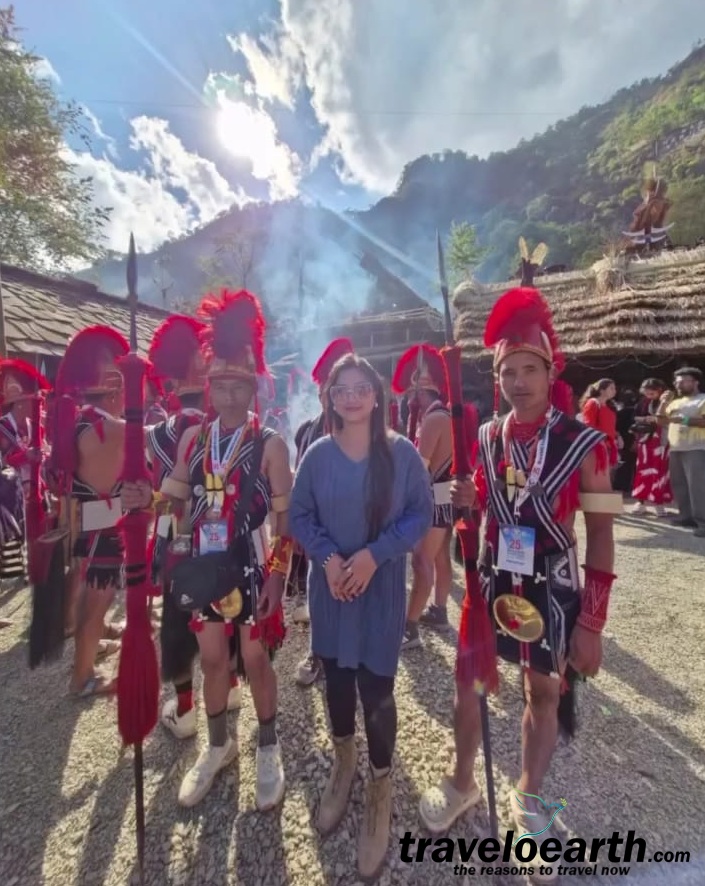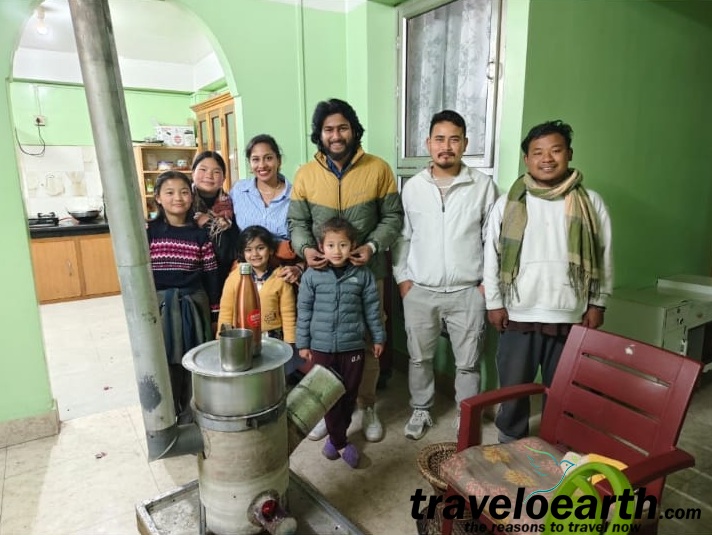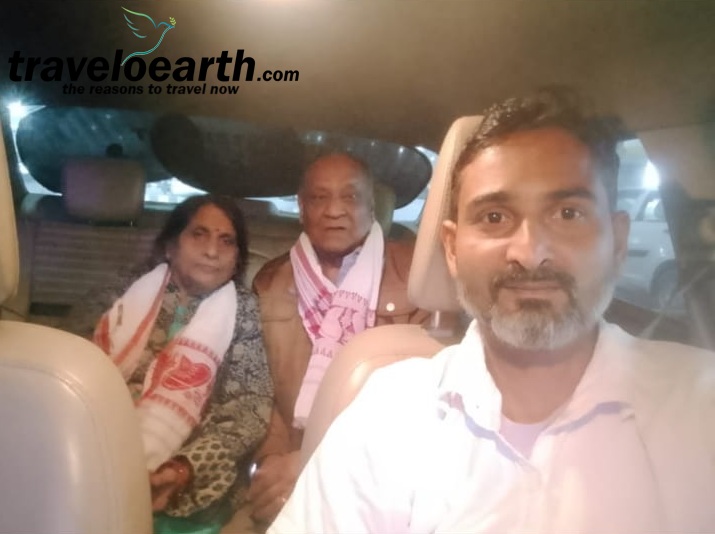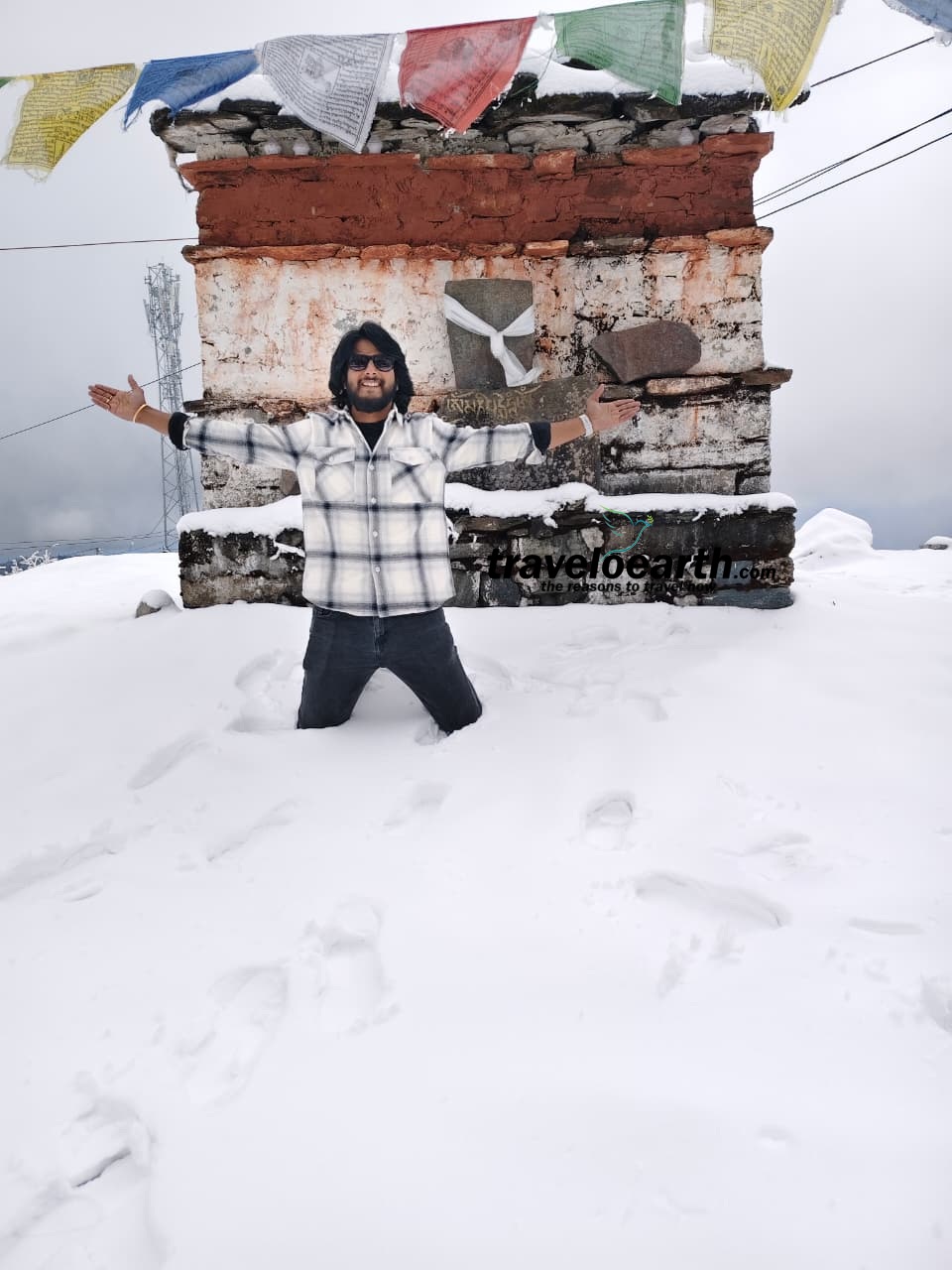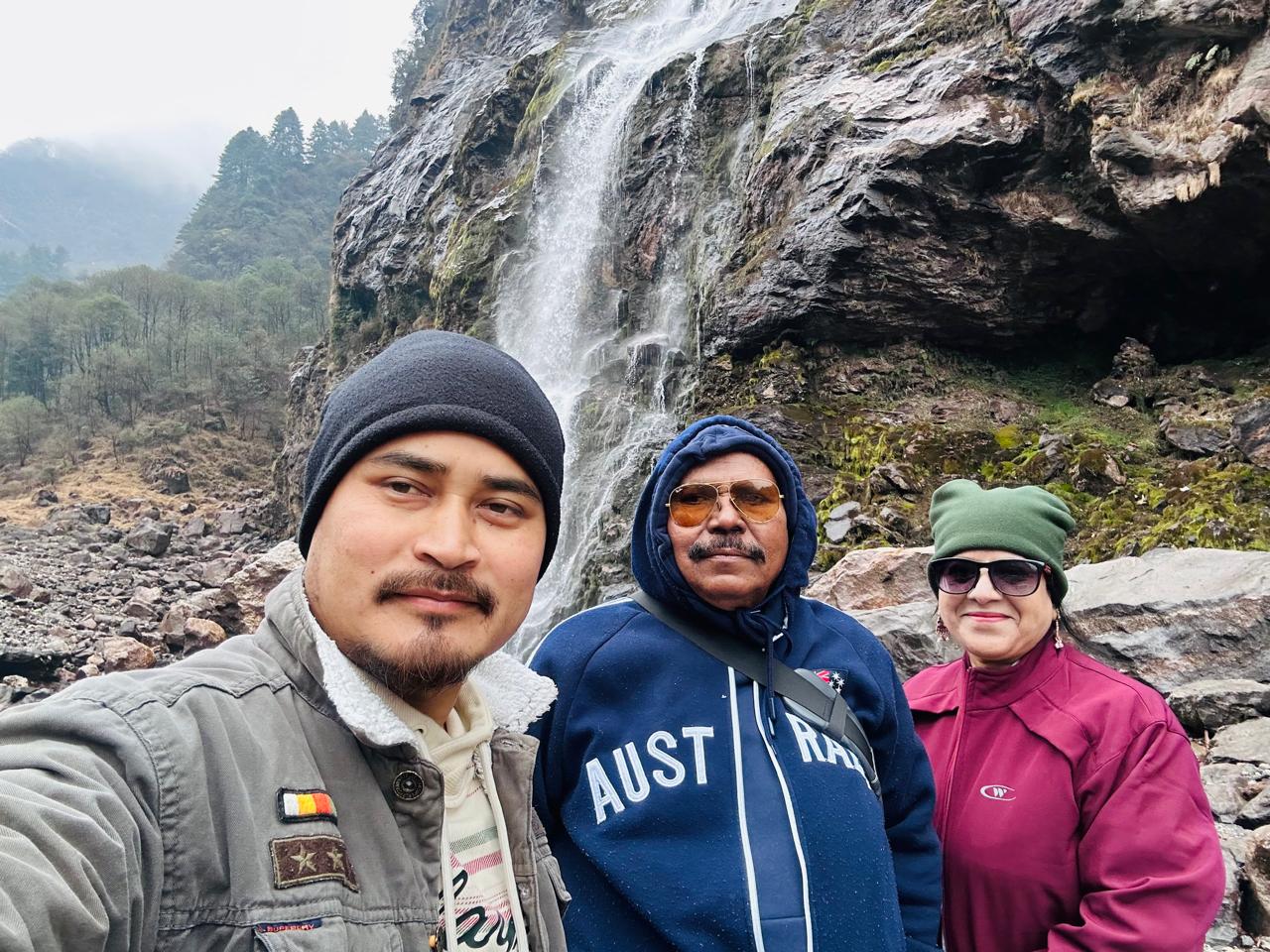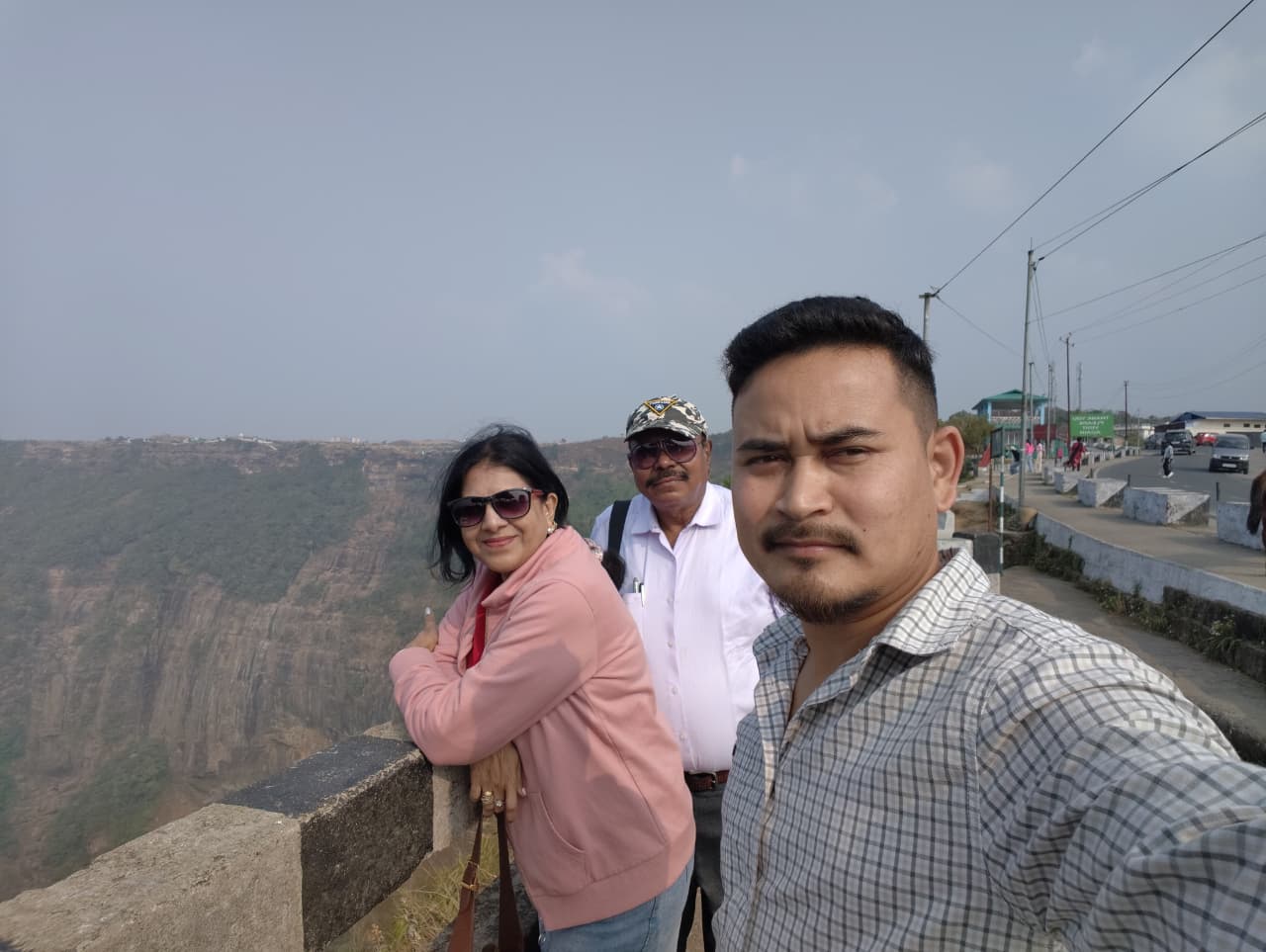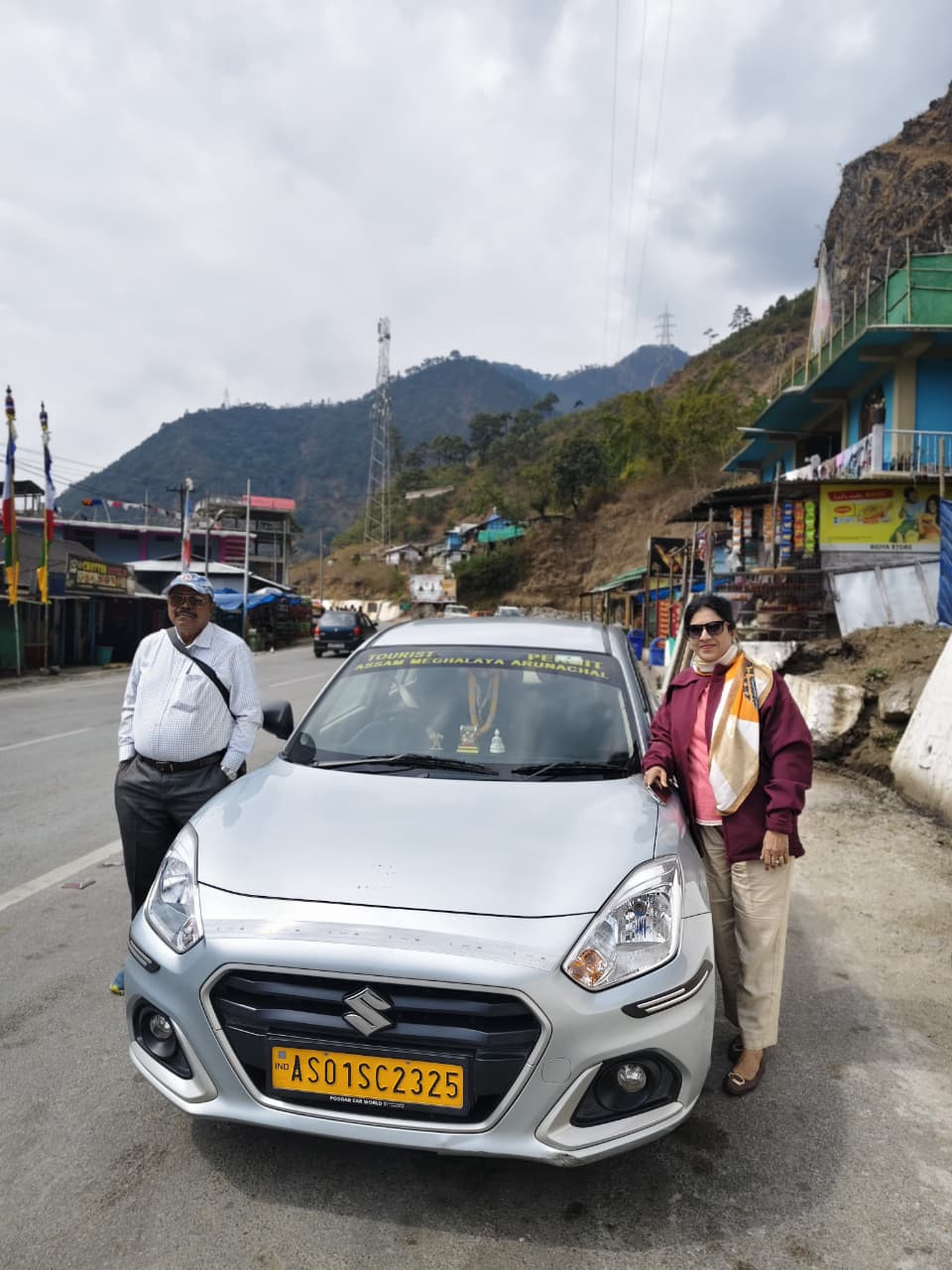









Traveloearth offering Golden Opportunities to explore North Eastern Regions of India especially Assam, Arunachal Pradesh & Meghalaya covering few key places like Guwahati, Kaziranga, Nameri (Assam), Shillong – Cherrapunjee – Mawllynnong (Meghalaya), Bomdila, Dirang – Tawang (Arunachal Pradesh) in just 9 Nights/10 Days at a very exciting price, please have a look the detailed plan as below & Enquire Now.
Covering the three most visited States of North East – Assam, Meghalaya & Arunachal Pradesh in a very comfortable & less hectic way in just 9 Nights and 10 Days.
Day 01: ARRIVAL GUWAHATI – SHILLONG (100 kms / 3 hrs)
Welcome to Guwahati. Meet and be assisted by our representative at the Airport & proceed to Shillong, also called “Scotland of the East” .
En route visit:
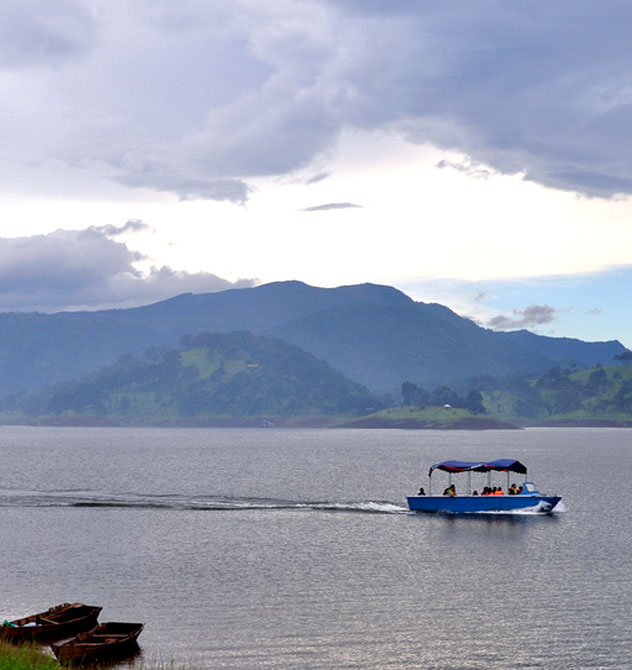
Barapani (Umiam Lake): As per the legends, two heavenly sisters decided to make their way to Meghalaya. However, one of them had reached the destination and the other could not due to some reason. So the former could not traced out her sister and started crying with her broken heart. She cried so much that and a lake was formed with her tears. Locally known as Umiam Lake, Barapani means vast waters. Today it becomes a hub for the water sports activities such as speed boats, sailboats and water scooters. Adjoining to the lake, the Nehru Park offers an aviary and a collection of orchids and butterflies.
Wards Lake: Wards Lake is located in the heart of the Shillong City adjoining to the Governor’s Residence. Shaped like a horseshoe, it is one of the prominent hang-out spot in Shillong. This century old lake was built by an engineer named Mr. Pollock. Hence it is also known to be as “Polok’s Lake”. One can opt for boating and pleasant walks on the cobbled sand stone pathways covered with varieties of flowers. The lake also has an arched bridge from where one can feed the fish.
Lady Hyadri Park & Botanical Garden
Arrive Shillong and check in at hotel. Overnight at hotel.
Day 02: SHILLONG – CHERRAPUNJEE (60 Kms 1 way, 1 ½ hrs drive)
Morning after breakfast full day excursion to Cherrapunjee.
Cherrapunjee is a small hamlet, situated at an altitude of about 4823 feet (1484 m). Locally known as ‘SOHRA’. Cherrapunjee is located in the southern most point of Khasi hill sharing the border of Sylhet district of Bangladesh. Cherrapunji offers a panoramic view of the hilly terrains, deep gorges and valleys with its spectacular waterfalls. It was once having the record of being the wettest place on earth, with an average rainfall of about 1150ms. However, this record has been overtaken by a nearby place Mawsynram.
In Cherrapunjee visit:
Shillong Peak: It is the highest point of Shillong, located in the upper Shillong an an altitude of 1961 meters (6,433 feet). The name Shillong originated from “Leishyllong” meaning god who is believed to live on the Shillong peak, overlooking the city. It is located 5 kilometers away from Shillong and on a clear day one can enjoy the beautiful view of the entire city.
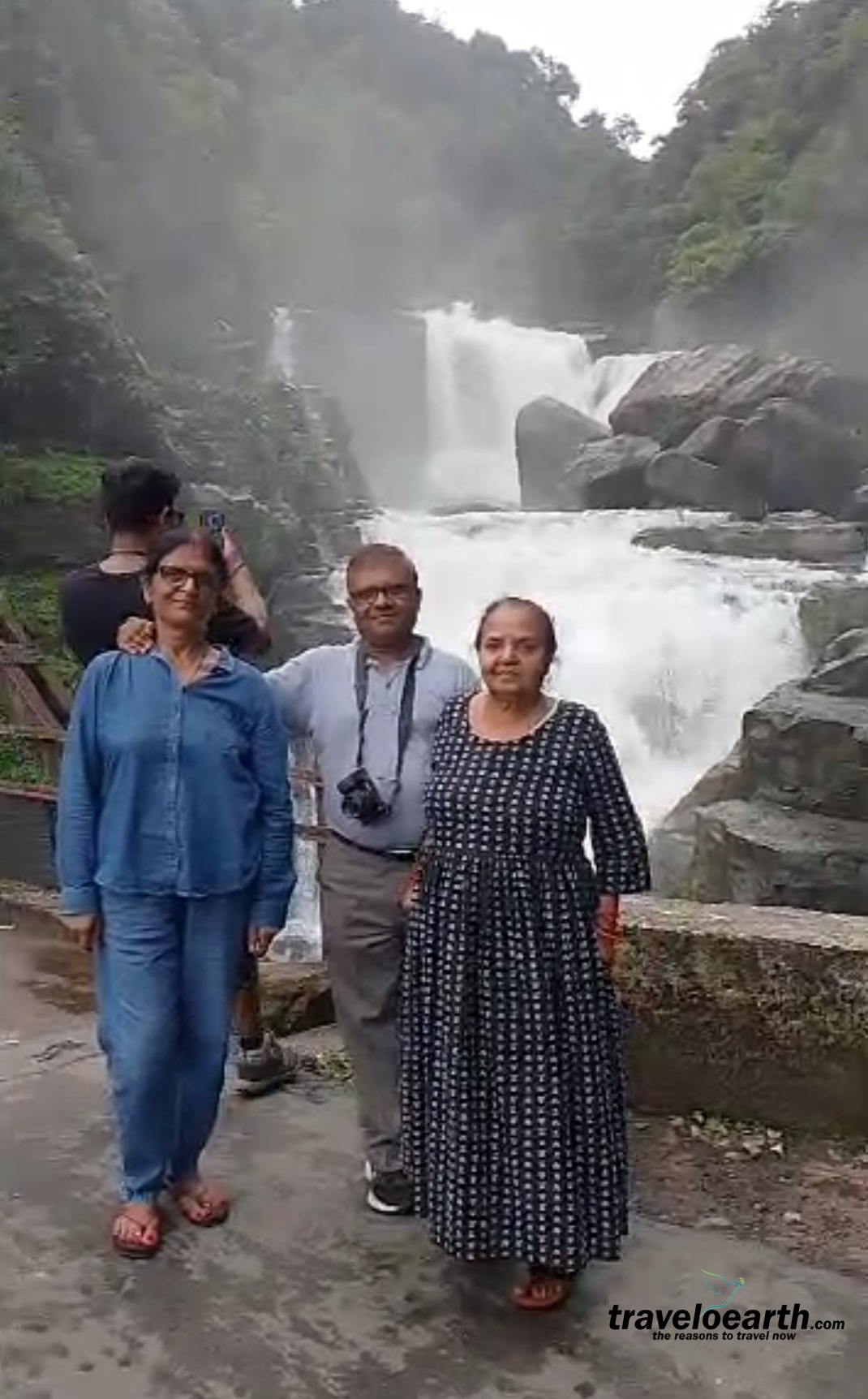
Elephant Falls: Located in the Upper Shillong 10 kms away from the Shillong town it is one of the majestic waterfalls in Meghalaya. The water of this three steps falls comes down in flows from different levels over the fern-covered rocks and falls into the canyon down below. In the morning it forms a wonderful sight when the sun rays fall on the cascades of water creating the rainbow colors. The best time to visit the waterfalls is during the monsoon when it offers a breath-taking scenery. The forests covered with ferns and thick bamboo grooves are also worth visited for the nature lovers to find the presence of various species of butterflies, birds and orchids.
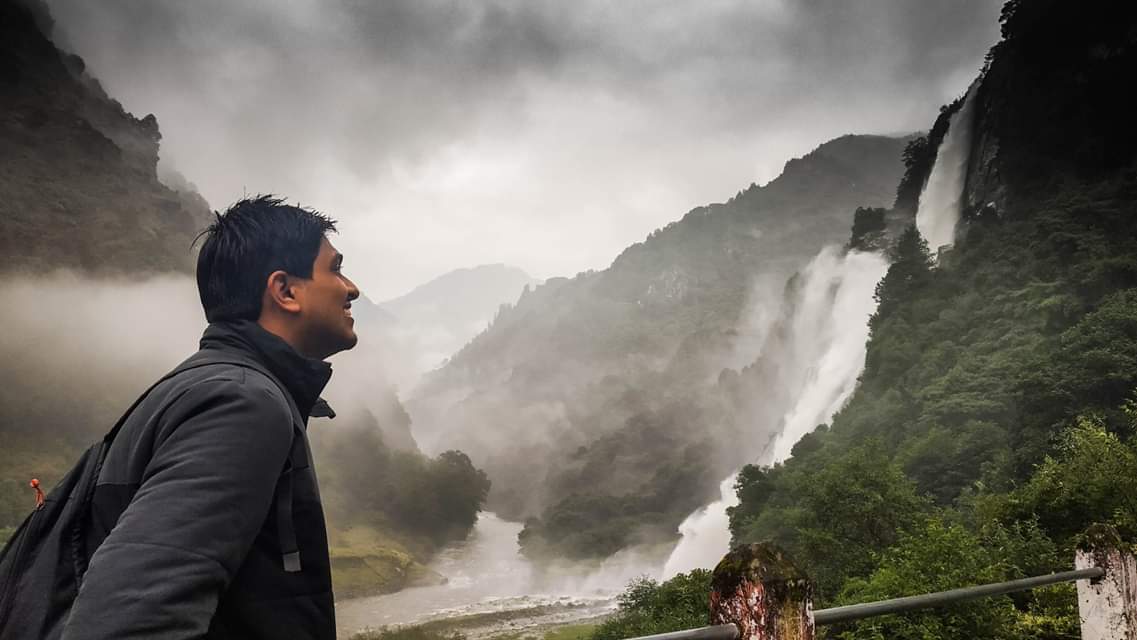
Nohkalikai falls: This waterfall located 4 kms away from Cherrapunjee and is possibly between 1500 and 2000 feet tall. Known to be the fourth longest fall in the world it carries a pathetic legend behind its name. A woman named Ka Likai had a illegitimate child. After marriage the husband became jealous of her love for her daughter. One day Ka Likai was out for work and her husband killed the daughter, cooked her flesh into a meal. When the woman inquired about her daughter, her husband showed the sign of ignorance. Before she went to look for her daughter, she thought of eating something and had the meal that her husband prepared for her. After having the meal she found both the wrist of her daughter in the betel-nut basket. Then she realized what had happened, killed her husband with a dagger and threw herself off this cliff of this falls. This is how the falls got its name which means “Fall of Ka Likai.”
Nohsngithiang Falls (also known as the Seven Sisters Waterfalls or Mawsmai Falls)
Mawsmai Cave: This 250m long cave is the major attraction for the tourists in Cherrapunjee. This cave is located 6 kms away from Cherrapunjee near to Mawsmai village. This natural limestone cave is wide enough for a person to walk comfortably, and one can see the myriads of stalagmites and stalactites all over the caves which are growing gradually. The caves are dark inside and electric torches are installed for the convenient of the tourists.
Eco Park: The Eco Park has been designed by the Meghalaya government to facilitate tourist to enjoy the ‘Green Canyons” ofSohra as well as the waterfalls that lie around it. There is a stream inside the park and one has to cross a bridge to get near the edge of the canyon.
The scenic beauty from the edge is awe inspiring. On the other side of the Eco Park is a view point to see the Bangladesh plains. The Eco Park also houses a wide variety of orchids, courtesy the Shillong Agri-Horticultural society.
Night stay in Cherrapunji.
Day 03: CHERAPUNJEE – MAWLLYNNONG VILLAGE – DAWKI – SHILLONG
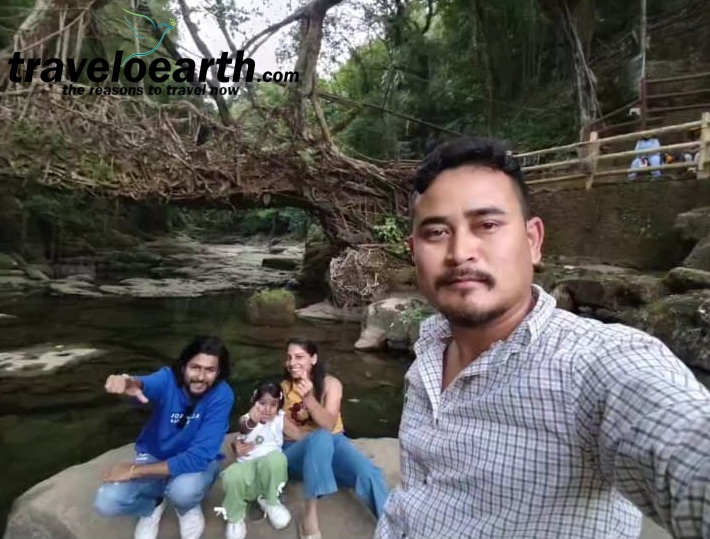
After breakfast visit the cleanest village in India.This cute and colorful little village is known for its cleanliness. It is situated 90 kms. from Shillong and besides the picturesque village, offers many interesting sights such as the living root bridge and another strange natural phenomenon of a boulder balancing on another rock. It is along the Indo-Bangladesh border. We will explore from here Dawki.
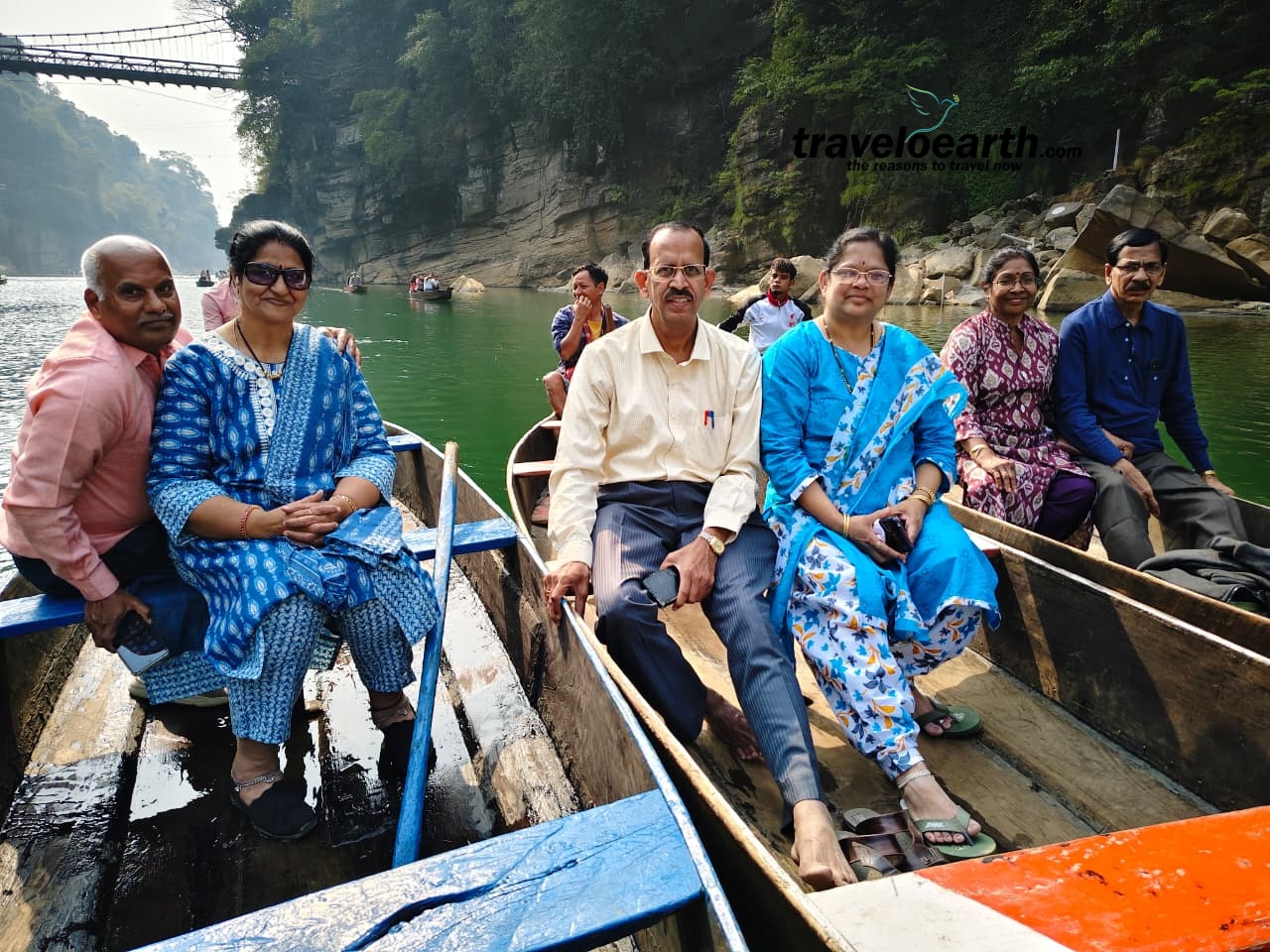
Dawki lies 2 Kms from Bangladesh. Dawki is a small village and its main attraction is the Umngot River that marks the natural separation between the Khasi and the Jaintia Hills. The river can be forded by a suspension bridge that connects India to Bangladesh and facilitates trade between the two nations. The Umngot is the site for a boat race that is held in March-April, but even otherwise, seeing this large emerald-green serpent threading its way through the hills, with fishermen’s boats dotting its surface, right into the plains of Bangladesh, is a sight whose majesty echoes long after you leave it.
Evening we will return back to Shillong. Overnight in Shillong.
Day 04: SHILLONG – KAZIRANGA NATIONAL PARK (365 Kms – 7 Hrs Drive)
After morning breakfast, transfer to Kaziranga National Park, the home of the “One Horned Rhinoceros”, Check in at your hotel/Lodge/resort.Afternoon we will experience a jeep safari through the Central Zone of the National Park (else on Day 5 morning). Evening free for leisure. Overnight stay at hotel in Kaziranga.
Day 05: KAZIRANGA NATIONAL PARK – BOMDILLA (145kms. / 5hrs.)
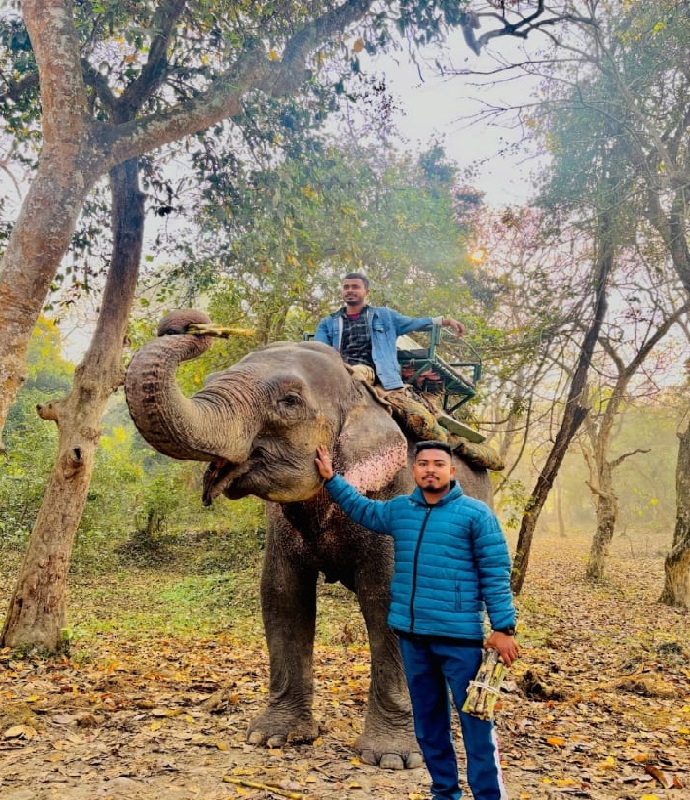
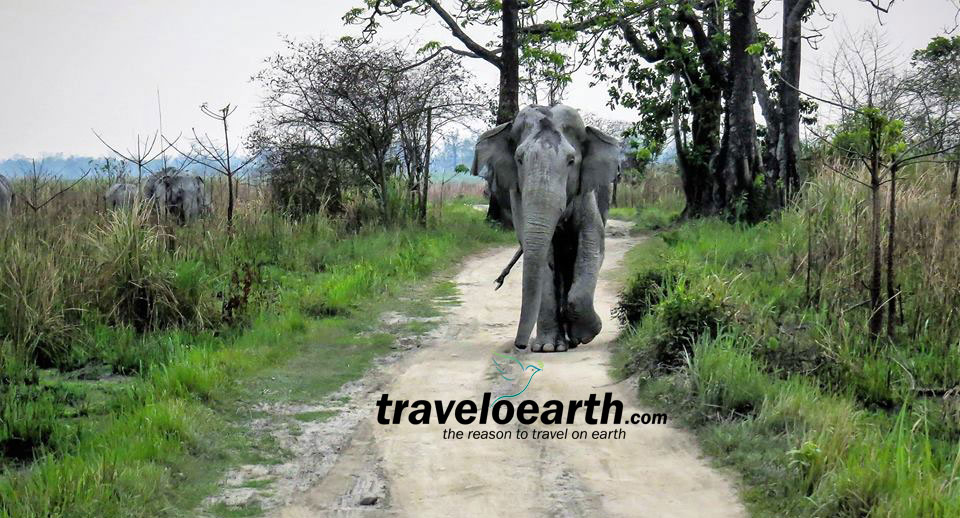
Early morning explore Western Zone of Kaziranga National Park on back of elephant. Apart from world’s endangered One-horned Rhinoceros, the Park sustains half the world’s population of genetically pure Wild Water Buffaloes, over 1000 Wild elephants and perhaps the densest population of Royal Bengal Tigers anywhere. Kaziranga is also a bird watcher’s paradise and home to some 500 species of birds. The Crested Serpent Eagle, Palla’s Fishing Eagle, Greyheaded Fishing Eagle, Swamp Partridge, Bar-headed goose, whistling Teal, Bengal Florican, Storks, Herons and Pelicans are some of the species found here.
We will return to the resort for breakfast & transfer to Bomdila. Check in the hotel on arrival. Evening visit Gontse Rabgyaling Monastery (Upper Gonpa), Thub-Chog Gatsel Ling Monastery (Lower Gonpa). Bomdila offers wonderfully panoramic view of Himalayan landscapes and snow clad ranges. Evening you can visit the local market. Overnight stay in Bomdila.
DAY 06: BOMDILA – TAWANG (180kms. / 7hrs.)
Early in the morning, leave for Tawang. On the way to Tawang lies the world’s second highest pass – the Sela Pass which runs through a small ridge and along a placid Lake called the Paradise Lake. On the way cross the National Yak Research and Breeding Centre, Natural Hot Water Spring and Jaswantgarh. Jaswantgarh is a memorial to the brave soldier who single handedly tried to hold of the approaching Chines from the pass during the 1962 Indo – Chinese war. The stupa like Tawang war Memorial also salutes the heroes of the war. On arrival at Tawang, check in at your hotel. Overnight stay at hotel in Tawang.
DAY 07: TAWANG
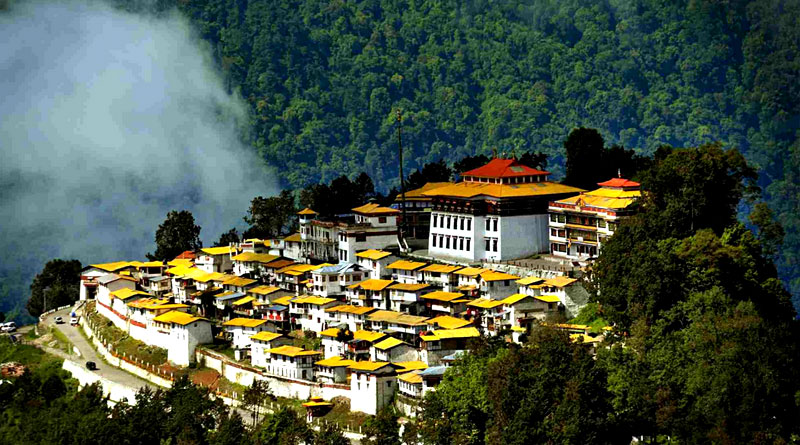
In the morning go for sightseeing in and around Tawang. Visit the War Memorial, the Handicrafts Centre, 6th Dalai Lama’s Birth Place and finally the three hundred year old Tawang Monastery, the second largest Buddhist Monastery after Lhasa’s Potala. Overnight stay at hotel in Tawang.
Day 08: TAWANG – DIRANG (146 Kms – 5Hrs Drive)
Today after having morning breakfats, proceed for Dirang.
Dirang is famous for its apples. It has also started Kiwi cultivation in the winter. On arrival Dirang, we will visit some famous Monasteries – Gompas of Dirang, check in at hotel. Evening free for leisure.Overnight stay at hotel in Dirang.
Day 09: DIRANG – BHALUKPONG/NAMERI (140 kms, 5 hrs drive)
Morning after breakfast return to Bhalukpong.
Arrive and check in at the tourist lodge.
Rest of the time free to explore the nature by your own.
Overnight at tourist lodge.
Day 10: BHALUKPONG/NAMERI – GUWAHATI (240kms. / 6hrs.)
In the morning explore Nameri National Park, the home of the near extinct White Winged Wood duck. Besides, the parkabounds in elephants, Leopards, Sāmbhar, Barking Deer, Wild Boar, Gaur, and a variety of birds including four species of Hornbill. In the afternoon proceed to Guwahati the Capital of Assam. On arrival check-in at your hotel. Overnight in Guwahati.
Tour Ends But Sweet Memories Always Reminds
Cost Include:
- Accommodation on Twin Sharing Basis in Deluxe Double Rooms.
- Breakfast in the hotel.
- Exclusive 01 Private Ac vehicles for transfers & sightseeing as per the itinerary.
- Parking & Toll taxes.
- Inner lines permit for Arunachal Pradesh.
- All permit fees, hotel taxes (as per itinerary).
Is Traveling to the North East Safe?
One of the most frequently asked questions that we get from people who want to visit the region but are apprehensive because of the past of this region (most of it was anyway blown-out news in the media). The short answer to this question is, Yes, traveling to Northeast India is generally very safe, with most of the region’s seven states experiencing a steady decline in political violence and insurgencies over the last decade. Major tourist hubs like Meghalaya, Sikkim, and Arunachal Pradesh are consistently ranked among the friendliest and safest destinations in India, particularly for solo female travelers and families.
What is the best time to visit North East India?
This is yet another question that we come across almost regularly. What we know as the North East of India is a significantly big geographic region. Which means, the north east has a lot to offer and in different seasons, one part of North East India is more gorgeous than another and vice-versa. For example, a trip to Meghalaya during the monsoons is a fantastic way to experience the low – hanging clouds, the greenery and the gorgeous waterfall of the state but at the same time it is not a great time for a trip to Kaziranga National Parks of Assam during this season.
So, in short, there is no single answer to this question.
Seasonal Breakdown
Because the region spans from the Himalayan peaks to low-lying river plains, the weather varies by season:
Winter (October to February): This is the peak tourist season. The weather is pleasant in plains like Assam, while high-altitude areas like Tawang (Arunachal Pradesh) and North Sikkim receive heavy snowfall. Water bodies like the Umngot River in Dawki (Meghalaya) become completely transparent and crystal clear.
Spring/Summer (March to May): A beautiful time to visit as flowers and rhododendrons bloom across Sikkim and Arunachal Pradesh. Temperatures are moderate in the hills, making it a perfect escape from the scorching heat of the rest of India.
Monsoon (June to September): The region experiences some of the heaviest rainfall in the world. While the waterfalls in Meghalaya are at their most spectacular.
I am a vegeterian, will I have any problems in terms of vegeterian food in the North East?
No, you will not face significant problems finding vegetarian food in Northeast India, but your dining experience will require a shift in expectations. While the region is culturally known for its meat consumption, vegetables form an integral part of every native meal. You will find plenty of fresh, organic greens and unique local preparations, though you must plan ahead for strict preferences regarding separate kitchens or specific staples like rotis.
The ease of finding vegetarian food varies notably across the region:
Assam : Abundant North Indian food, roadside dhabas, and traditional vegetarian thalis.
Sikkim : Widespread Buddhist culture ensures plenty of dedicated vegetarian and vegan-friendly cafes.
Meghalaya & Tripura : Tourist hubs like Shillong have excellent pure veg restaurants, but rural routes have fewer choices.
Nagaland, Mizoram, Arunachal, Manipur : Heavily meat-focused. Local vegetarian options are mostly boiled seasonal herbs, shoots, or roots.
Can I travel Solo to North East India?
Yes, you can absolutely travel solo to North East India, and it is widely considered one of the safest and most culturally rewarding regions in the country for independent travellers. A lot of other solo travelers from India and beyond comes here to enjoy the unique beauty, wonderful food and the undisturbed calmness of North East India.
How hot is North East in the Summers?
Depending upon when you are visiting the North East and also depending upon where in the North East are you planning your trip to, the weather can be anything between humid & warm to extremely cold and snowed-out.
Summers in North East India:
If you are planning a trip to North East India, the weather in the plains of Assam will primarily be hot and humid. Places like Majuli, Tezpur, Sibsagar – the historic town will be comparatively cooler, courtesy their proximity to the river.
The higher areas of the North East will be pleasant. And in some cases, even cold.
Places like Shillong, Cherrapunjee & Mawlynnong, and Meghalaya in general will be very plesant, specially in the evenings. Arunachal Pradesh in the summers is very plesant too and is one of the best times to visit Tawang, Dirang, Bomdila etc. for people who are not big fans of cold weather.
The best thing about planning a trip to the North East is the scenery around. Everything is lush – green and fresh. Also a great season to relish some tasty local fruits.
How cold is North East in the Winters?
Winters in the North East are generally cold. From the plains of Assam to the high mountains, everywhere, the mercury dips, completely changing the weather from what it was a few months back.
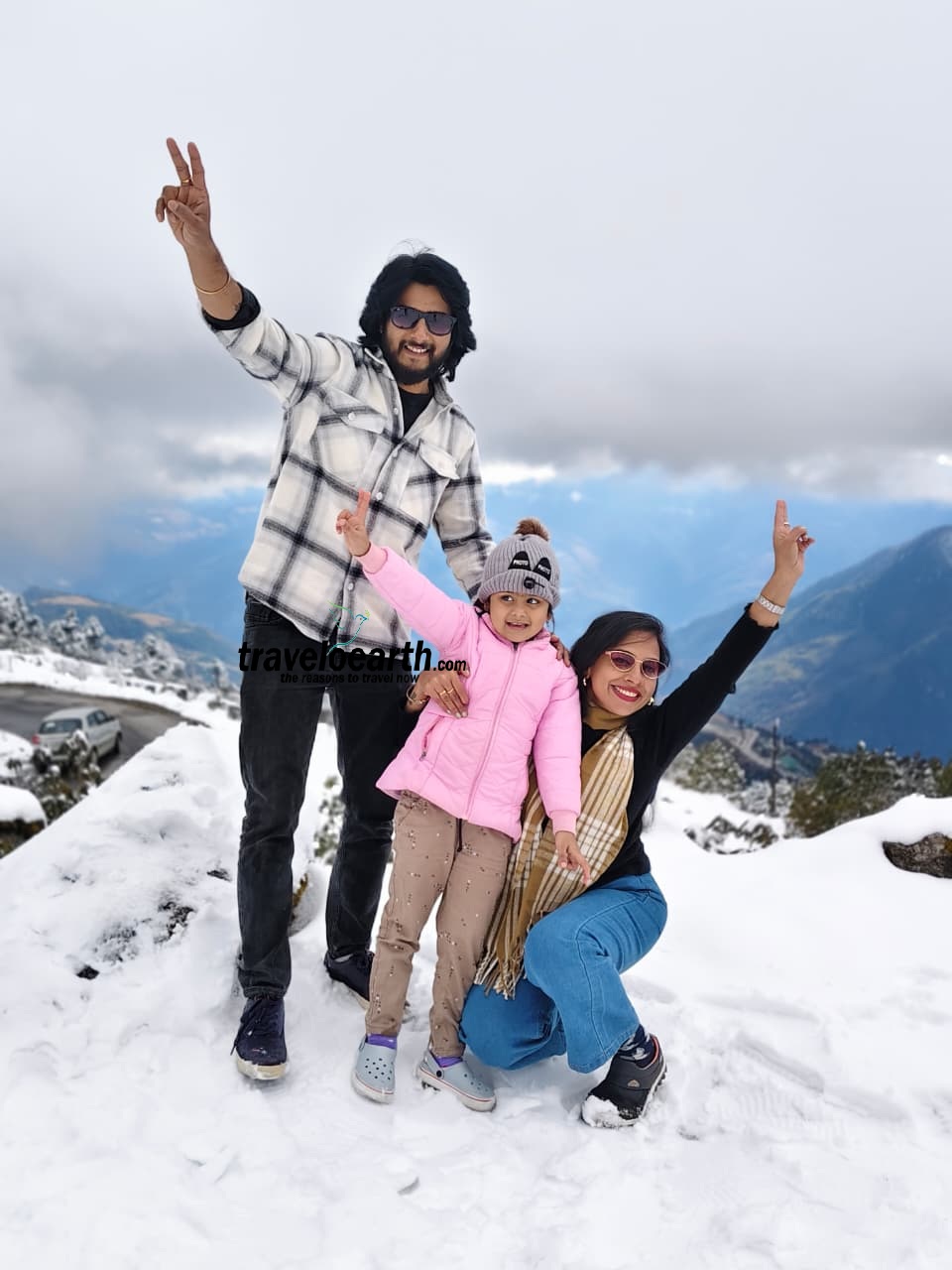
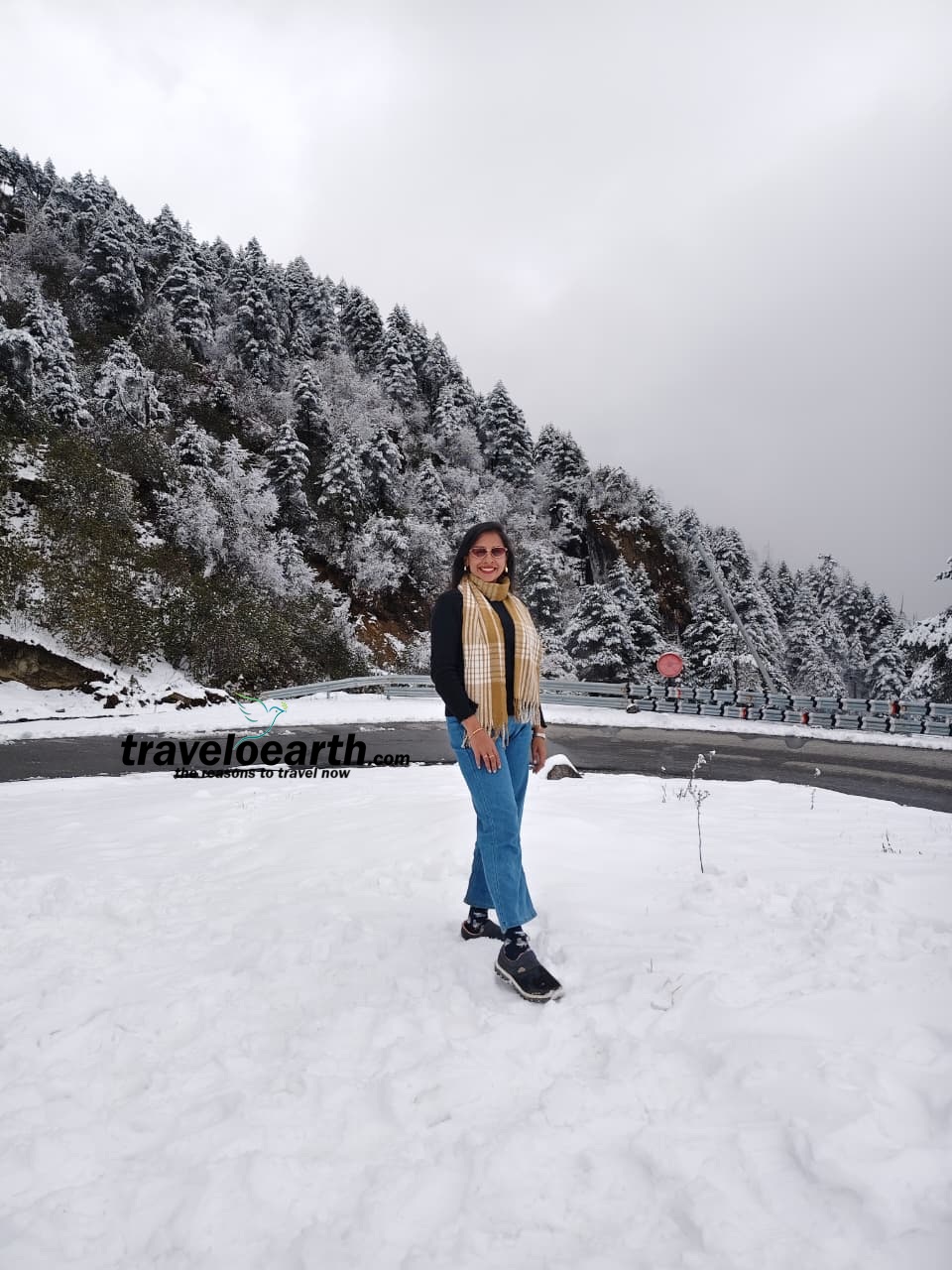
While the plains remain charmingly pleasant to nippy, higher places like Shillong and Cherrapunjee become cold in the winters. Higher areas of Arunachal Pradesh in the winters remain between cold and freezing. Tawang in winters sees snowfall and wears a beautiful coat of fresh white.
If you are somone who likes and enjoys cold weather and places, you will absolutely love Tawang in winters.
Will I get warm rooms and hot water in the Winters?
All our homestays are equipped with room heaters and geysers / immersion rods for hot water. The hosts also provide hot water to the guests from their kitchen, as needed (at places where geysers are not available).
In winters, the stays have room-heaters and to keep you warm in the bed, enough blankets are provided. If you feel you don’t have enough, just let us or your host know. None of the homestays/stays have centralized heating however. Something the region does not really have when it comes to homes or homestays.
Will there be Electricity and Mobile connectivity issues?
While almost all the places we visit as part of our tours, are electrified and has mobile connectivity, on the way, as you drive from one place to another, there might be times where there will be no mobile data or network.
This is nothing to be worried about as, given the terrain and population density and logistical challenges, some areas remain outside the mobile network coverage.
Please also note that, as winters and the monsoons are mostly extreme in the North East, in smaller places like Cherrapunjee, Mawlynnong, Bomdila, Dirang, etc. there can be situations where there might not be electricity and/or mobile network for days, due to sever bad weather (rains, snow, etc.). In such scenarios, your hosts will try to keep you as comfortable as they can, in the given situation by providing electricity through generators, and hot water from the kitchen.
Given the geographical limitations of this otherwise gorgeous region, these thing come with the pros.
As long as you take things with an open mind, as they come, you will have a great time here in the North East.
What is the difference between a Driver-cum-guide, a Dedicated Guide and a Local Guide?
A driver-cum-guide is someone who is familiar of the places to be visited as per your tour plan. He will be responsible for taking you to the attractions and spots that are on the route and the destinations and drop you near them from where you can walk ahead and proceed to explore the attraction while he will wait for you, back at the vehicle. Your driver-cum-guide might or might not give you extensive information about the places you visit.
A dedicated guide is a full-time guide who stays with you throughout the trip, morning to evening. As you move from one place to another while on the tour, he shares with you, various types of information (including stories) regarding the region/place or attraction.
A local guide is someone who will meet you and keep you company for a particular stretch or destination. For example, when you go for the Double decker Living Root bridge trek in Meghalaya, a local guide accompanies you for the trek.
He shares stories, shows you things/places of interest that you come across and helps you with the entire trek in general.
Are there reliable ATMs and banking facilities available throughout the region?
While all bigger towns do have ATMs, smaller and/or remote regions mostly don’t. UPI works at most places but sometimes, if the weather is not conducive and the mobile networks are down, even they might also not work, when in remote places.
Hence, it is always suggested carry enough cash to meet the essentials, if you are coming on a north east India tour that takes you to remote places.
What permits are required for traveling to certain areas in North East India, and how can they be obtained?
There are two types of permits that are needed if you wish to visit most of the states of North East India. For Indian citizens, all the states except for Assam, Meghalaya and Tripura, an Inner Line Permit (ILP) is needed. Different states have different procedures that needs to be followed in order to procure the same.
For non-Indians, a Protected Area Permit (PAP) is needed to visit most of the states of North East India. Some states, such Arunachal Pradesh, also needs a declaration form along with the PAP.
Both the permits however, are procured by us on behalf of our guests so, you don’t have to worry about getting these on your own.
| Destination | Category | Names of the Hotel / Resort |
|---|---|---|
| 📍 Guwahati (Assam) | ◆ Deluxe | Hotel D Courtyard or Similar |
| ◆ Premium | Hotel Vishwaratna or Similar | |
| ★ Luxury | Radisson Blu or Similar | |
| 📍 Shillong (Meghalaya) | ◆ Deluxe | Eldorado or Similar |
| ◆ Premium | Blueberry Inn / Poinisuk or Similar | |
| ★ Luxury | Polo Towers or Similar | |
| 📍 Cherrapunji (Meghalaya) | ◆ Deluxe | Nam Ngi Pa / Osafi Inn or Similar |
| ◆ Premium | JMs Resort / Four Seasons Eco Resort or Similar | |
| ★ Luxury | Polo Orchid Resort or Similar | |
| 📍 Mawlynnong Village (Meghalaya) | ◆ Deluxe | Roots Guest House or Similar |
| ◆ Premium | San Lai Guest House or Similar | |
| ★ Luxury | N/A | |
| 📍 Dawki (Meghalaya) | ◆ Deluxe | Apurna Guest House / Lamin Guest House or Similar |
| ◆ Premium | Ka Bri War Resort / Betelnut Resort or Similar | |
| ★ Luxury | N/A | |
| 📍 Kaziranga (Assam) | ◆ Deluxe | Dubori / Bonhabi or Similar |
| ◆ Premium | Foxtail Orchid / Kaziranga Address or Similar | |
| ★ Luxury | IORA – The Retreat or Similar | |
| 📍 Nameri (Assam) | ◆ Deluxe | Samloga Nature Camp or Similar |
| ◆ Premium | Sonai Nameri Tents & Cottages or Similar | |
| ★ Luxury | Wild Mahseer or Similar | |
| 📍 Bhalukpong (Arunachal Pradesh) | ◆ Deluxe | Hotel Mandal Ghang / Hotel Seagull or Similar |
| ◆ Premium | Waii International or Similar | |
| ★ Luxury | Prashaanti Cottages or Similar | |
| 📍 Bomdila (Arunachal Pradesh) | ◆ Deluxe | Hotel Grand / Zhe Dhey Guest House or Similar |
| ◆ Premium | Bomdila Embassy or Similar | |
| ★ Luxury | Hotel Yak / Hotel Phamm Inn or Similar | |
| 📍 Dirang (Arunachal Pradesh) | ◆ Deluxe | Wangdi Residency / Hotel Nest Inn or Similar |
| ◆ Premium | Lord Pemaling / Brokpa Estate or Similar | |
| ★ Luxury | Summit Rungkhung Village Resort or Similar | |
| 📍 Tawang (Arunachal Pradesh) | ◆ Deluxe | Dolma Khangsar / Hotel Zax Star or Similar |
| ◆ Premium | Hotel Oddiyana or Similar | |
| ★ Luxury | Hotel Tawang Heights or Similar | |
| Hotel / Resort names are indicative and may be replaced with properties of similar category, subject to availability. | ||